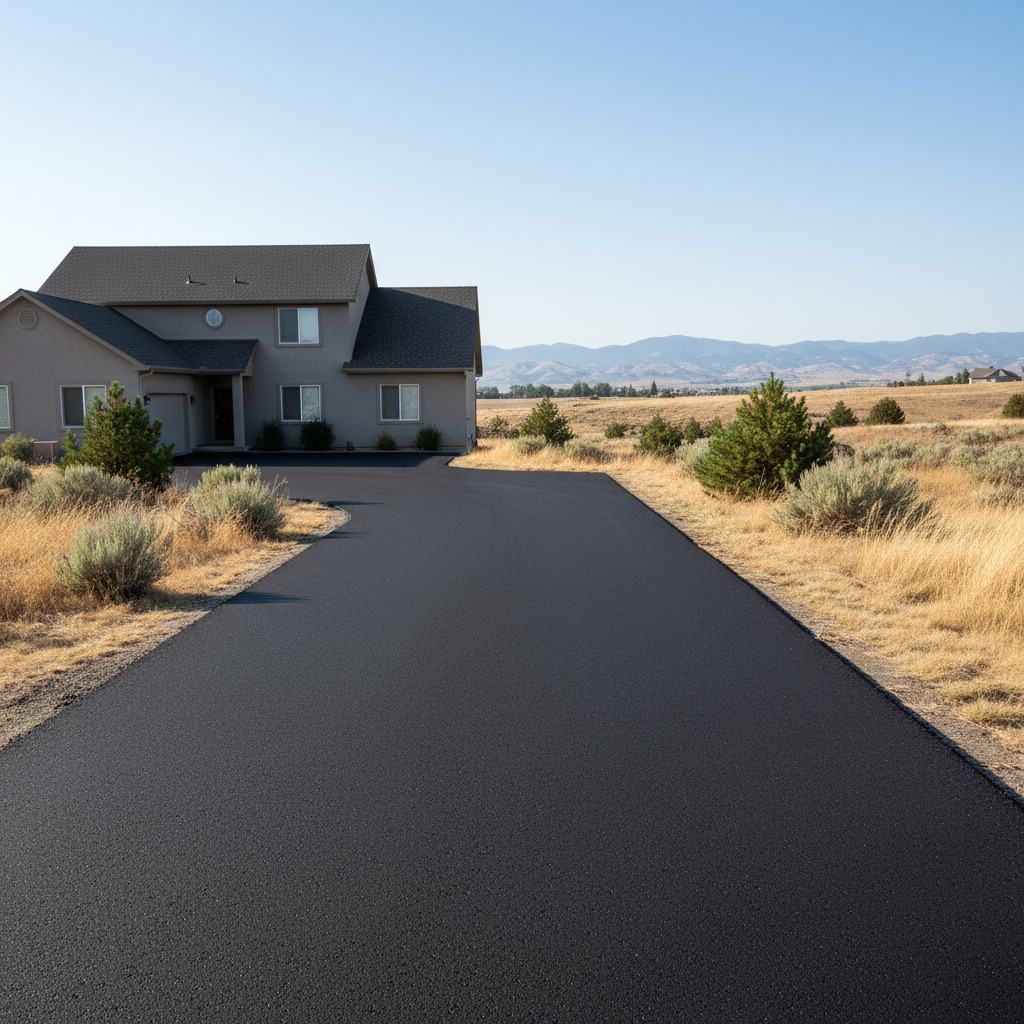
You've got a new driveway, or maybe you're just looking to get more life out of your existing one. Either way, good for you. It's a big investment, and frankly, a lot of folks don't think about it again until there's a problem. But here in Pasco, with our hot summers and freezing winters, your driveway takes a beating. A little maintenance goes a long way, I'm telling you.
Extending Your Driveway's Life: The Basics
The biggest thing you can do to make your driveway last is pretty simple: keep it clean and protect it from heavy loads and chemicals. I see a lot of driveways, especially in older neighborhoods like Riverview, where folks just let things sit. Don't do that.
- Keep it Clean: Sweep off dirt, leaves, and debris regularly. Organic matter can hold moisture against the surface, leading to degradation. For asphalt, oil and gas spills are a killer. Clean them up immediately with an absorbent material like cat litter, then scrub with a stiff brush and a mild detergent. For concrete, spills can stain, so tackle those fast too.
- Sealcoating (for Asphalt): This is your driveway's sunscreen and rain jacket. For asphalt, sealcoating every 2-3 years is crucial. It protects against UV rays, water penetration, and those pesky oil spills. It also restores that nice black color. Don't skip it.
- Crack Sealing: This is probably the most important maintenance step for both asphalt and concrete. Cracks are like open doors for water. And what happens when water gets into a crack and freezes? It expands, making the crack bigger. That's how potholes start. Seal those cracks as soon as you see them. Small cracks are cheap to fix; big potholes are not.
- Avoid Heavy Loads: Try not to park heavy RVs, boats, or construction equipment on your driveway for extended periods. The constant weight can cause depressions or cracks, especially in asphalt during hot weather when it's softer.
- Edge Protection: If you've got a gravel shoulder or lawn right up against your driveway, make sure the edges are supported. Erosion can undermine the edges, causing them to crack and crumble.
Regular Maintenance: What to Look For
You don't need to be a paving expert to spot problems. Just take a walk around your driveway once a month, especially after a big rain or a freeze-thaw cycle. Here's what I look for:
- Cracks: Any cracks, big or small, need attention. Hairline cracks might not seem like much, but they're the start of bigger issues.
- Potholes or Depressions: These are obvious. If you see a dip or a hole, water is likely getting under the surface and eroding the base.
- Fading or Discoloration (Asphalt): If your asphalt driveway is turning gray, it means the binder is oxidizing. That's a sign it needs sealcoating to protect it.
- Raveling (Asphalt): This is when the small stones in your asphalt start coming loose. It's a sign of surface deterioration and means your driveway is losing its structural integrity.
- Spalling or Flaking (Concrete): If the top layer of your concrete is peeling or flaking off, it's often due to freeze-thaw cycles or improper finishing.
- Weeds: Weeds growing through cracks aren't just an eyesore; their roots can widen cracks and damage the sub-base. Pull 'em out and seal the crack.
When to Call a Professional
Look, some things you can DIY, like sweeping or even a little crack filling. But there are times you absolutely need to call in the pros. Trying to fix some of these bigger issues yourself often makes it worse or just delays the inevitable, costing you more money down the road.
- Extensive Cracking: If you've got a network of cracks, often called 'alligator cracking' because it looks like alligator skin, that's a sign of a base problem. A simple sealcoat won't fix it. You might need an overlay or even a full replacement.
- Large Potholes: While you can patch small potholes, large ones often indicate significant damage to the underlying layers. A professional can properly excavate, repair the base, and patch it so it lasts.
- Drainage Issues: If you've got standing water on your driveway after every rain, that's a serious problem. Water pooling can lead to rapid deterioration. We can assess the grading and recommend solutions like adding drains or regrading.
- Major Deterioration: If your driveway is crumbling, sinking, or has significant heaving, it's time for an expert opinion. These aren't cosmetic issues; they're structural.
- New Installation or Overlays: Obviously, if you're putting in a new driveway or doing a significant overlay, you want a professional. This isn't a DIY job.
Here at Omega Paving Solutions, we've seen it all. From the dry, dusty conditions around the Pasco airport to the more established homes near Road 68, every driveway has its challenges. Don't wait until a small problem turns into a huge, expensive headache. A little proactive care, and knowing when to call us, will keep your driveway looking good and functioning safely for years to come.