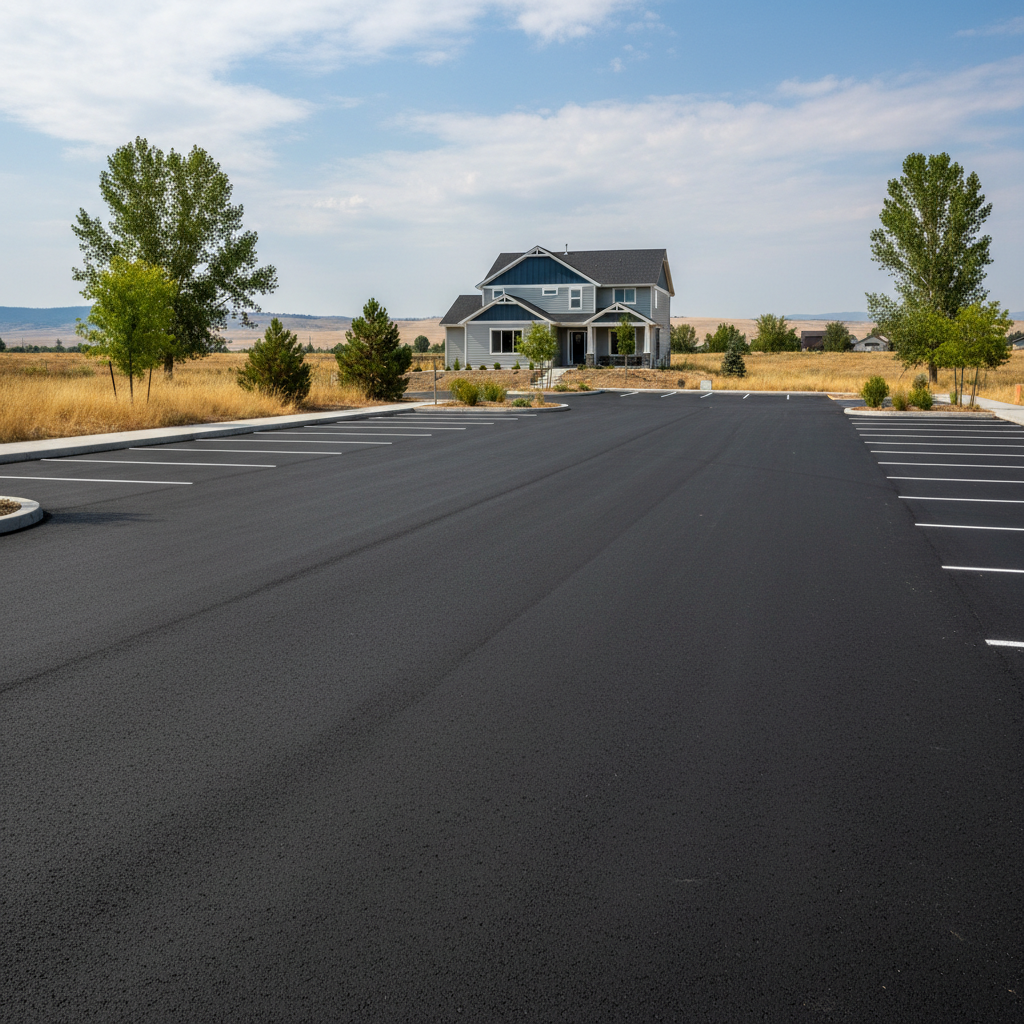
Your parking lot is a big investment, plain and simple. Whether it's for a small business or a larger commercial property, you want that pavement to last as long as possible. Here in Pasco, we see all sorts of weather, from scorching summers to freezing winters, and that takes a toll on asphalt. But with a little attention, you can really extend the life of your parking lot. I've seen it firsthand.
Extend Your Pavement's Life: The Basics
Think of your parking lot like anything else you own that cost a chunk of change – it needs looking after. The biggest thing you can do to extend its life is pretty straightforward: keep it clean and address small problems before they become big ones. It's like changing the oil in your car; you do it to prevent major engine trouble down the road.
First off, good drainage is critical. Water is asphalt's worst enemy. If you've got standing water after a rain, especially in low spots, that's a red flag. That water seeps into cracks, and when it freezes in the winter – which it definitely does here in Pasco – it expands and makes those cracks much, much worse. We call that freeze-thaw damage, and it's a real killer for pavement.
Another big one is sealcoating. This isn't just about making your lot look nice, though it certainly does that. Sealcoat acts like a sunscreen and a protective barrier for your asphalt. It shields it from UV rays, which can dry out the asphalt and make it brittle, and it helps repel water and oil spills. I usually recommend sealcoating every 2-3 years, depending on traffic and the condition of the lot. It's a relatively inexpensive way to add years to your pavement's life.
Regular Maintenance: What It Looks Like
So, what does regular maintenance actually involve? It's not rocket science, but it does require consistency.
- Sweeping and Cleaning: Get rid of dirt, gravel, and debris regularly. Those little bits of rock can actually abrade the surface over time, and dirt holds moisture, which, as I said, is bad news.
- Crack Sealing: This is probably the most important maintenance task. Any crack wider than a quarter-inch needs to be sealed. We use hot-applied crack filler that bonds with the asphalt and keeps water out. If you let cracks go, they turn into potholes. It's a guarantee.
- Pothole Repair: As soon as you see a pothole, get it fixed. Potholes grow fast, especially with traffic driving over them. A small pothole repair is quick and affordable; a lot full of potholes is a major headache and expense.
- Line Striping: While not directly about pavement integrity, clear line striping is crucial for safety and traffic flow. Faded lines confuse drivers and can lead to accidents. It's also a good time to inspect the lot when you're out there restriping.
For businesses in areas like the Port of Pasco or industrial parks, you might have heavier truck traffic. That means you'll need to be even more vigilant with your maintenance schedule. Heavy loads put more stress on the pavement, accelerating wear and tear.
Warning Signs You Can't Ignore
You don't need to be a paving expert to spot problems. Just walk your lot once a month or so, especially after a big storm or a freeze. Here's what to look for:
- Cracks: Not just any cracks, but alligator cracking (looks like alligator skin) or extensive linear cracking. Alligator cracking usually means there's a problem with the base layer underneath, not just the surface.
- Potholes: Obvious, I know, but don't just drive around them. They're a sign of deeper issues.
- Fading and Discoloration: If your asphalt looks gray instead of black, it's probably oxidizing and drying out. That means it's losing its flexibility and becoming brittle.
- Standing Water: As I mentioned, this is a huge red flag. It indicates poor drainage or significant depressions in the pavement.
- Raveling: This is when the aggregate (the small stones) starts coming loose from the asphalt binder. The surface will look rough and crumbly.
- Uneven Surfaces or Depressions: These can indicate a failing base or subgrade, which is a more serious structural problem.
When to Call a Professional
Look, you can handle some of the basic stuff, like keeping the lot clean or even patching a tiny crack if you're handy. But for most of the repairs I just talked about, you really need to call in the pros. We've got the right equipment, the right materials, and the experience to do it right. Trying to DIY a major crack sealing job or a pothole repair often ends up costing more in the long run because it's not done correctly and fails quickly.
You should definitely call Omega Paving Solutions if you see:
- Extensive alligator cracking across large sections of your lot.
- Multiple potholes appearing rapidly.
- Significant depressions or areas where water consistently pools.
- Any signs of the base failing, like soft spots or areas that sink when you drive over them.
- Your asphalt looks completely gray and brittle.
These are all signs that your pavement needs more than just a quick fix; it might need milling and overlay, or even full-depth repair. Don't wait until your parking lot is a minefield of potholes and cracks. Proactive maintenance and timely repairs are key. It'll save you a lot of money and headaches down the road, and keep your customers happy and safe.